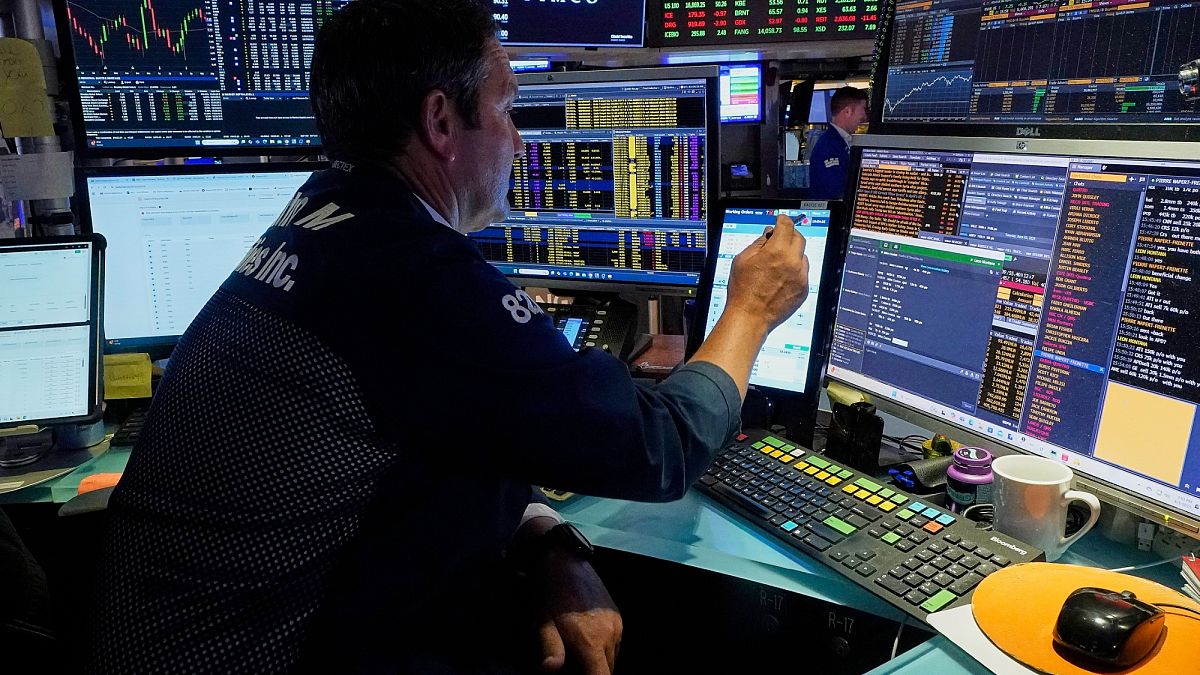
The service delivers market insights combining technical analysis, earnings updates, and investor sentiment tracking. Oil prices climbed on Monday while European markets opened lower after US President Donald Trump issued a fresh warning to Iran via social media. The move reignited geopolitical tensions, driving crude futures higher and weighing on risk sentiment across equity markets.
Live News
- Crude oil benchmarks advanced on Monday as traders priced in a higher risk premium following Trump’s latest social media message directed at Iran.
- European equities declined in early trading, with sectors sensitive to energy costs — such as airlines and industrials — underperforming.
- The move could signal tighter US enforcement of oil sanctions on Iran, potentially removing hundreds of thousands of barrels per day from global supply.
- Market participants are monitoring for any official statements from the White House or the State Department that might clarify next steps.
- Geopolitical premiums in oil markets remain elevated, as similar warnings in the past have led to periods of elevated volatility.
- The broader market impact may extend to currencies, with the US dollar often strengthening during geopolitical stress, while riskier assets like emerging-market stocks could face headwinds.
Oil Prices Rise as Trump Signals Tougher Stance on IranSome investors find that using dashboards with aggregated market data helps streamline analysis. Instead of jumping between platforms, they can view multiple asset classes in one interface. This not only saves time but also highlights correlations that might otherwise go unnoticed.Some traders use alerts strategically to reduce screen time. By focusing only on critical thresholds, they balance efficiency with responsiveness.Oil Prices Rise as Trump Signals Tougher Stance on IranDiversification in data sources is as important as diversification in portfolios. Relying on a single metric or platform may increase the risk of missing critical signals.
Key Highlights
Oil prices moved higher during Monday’s trading session as market participants reacted to a new social media post from US President Donald Trump, signaling a tougher approach toward Iran. The warning comes amid an already fragile geopolitical landscape in the Middle East, where supply disruptions remain a key concern for energy markets.
European stock indices opened in negative territory, with energy and defensive sectors seeing mixed performance. The broad-based sell-off reflected cautious investor sentiment as crude gains typically translate into higher input costs for industries and increased inflationary pressure.
While no specific policy measures were announced, Trump’s tone suggested the possibility of renewed sanctions or stricter enforcement of existing ones. Iran is a major oil producer within OPEC, and any constraints on its exports could tighten global supply, especially at a time when the market is already closely watching the output decisions of major producers.
The developments add to a backdrop of ongoing trade negotiations and monetary policy uncertainty. Traders are now evaluating whether diplomatic channels or further escalations will shape the near-term direction of energy prices and broader financial markets.
Oil Prices Rise as Trump Signals Tougher Stance on IranScenario planning based on historical trends helps investors anticipate potential outcomes. They can prepare contingency plans for varying market conditions.Data visualization improves comprehension of complex relationships. Heatmaps, graphs, and charts help identify trends that might be hidden in raw numbers.Oil Prices Rise as Trump Signals Tougher Stance on IranReal-time access to global market trends enhances situational awareness. Traders can better understand the impact of external factors on local markets.
Expert Insights
Market analysts suggest that the latest development adds a layer of uncertainty to an already complex energy market. While the direct impact on physical oil flows may take time to materialize, the psychological effect on traders is immediate. Some observers note that such social media statements often precede more formal diplomatic or economic measures, though the exact outcome remains unpredictable.
From an investment perspective, the situation highlights the ongoing vulnerability of oil prices to geopolitical shocks. Investors may consider hedging strategies or shifts toward energy-exposed sectors if tensions persist. However, any sustained rally in crude could also weigh on consumer spending and corporate margins, particularly in Europe where energy import costs are a significant factor.
Central banks could face additional complexity if oil-driven inflation pressures resurface, potentially influencing monetary policy decisions in the months ahead. The evolving situation warrants close monitoring, as even temporary supply concerns can lead to outsized price movements in thinly traded markets.
Oil Prices Rise as Trump Signals Tougher Stance on IranRisk management is often overlooked by beginner investors who focus solely on potential gains. Understanding how much capital to allocate, setting stop-loss levels, and preparing for adverse scenarios are all essential practices that protect portfolios and allow for sustainable growth even in volatile conditions.Diversification across asset classes reduces systemic risk. Combining equities, bonds, commodities, and alternative investments allows for smoother performance in volatile environments and provides multiple avenues for capital growth.Oil Prices Rise as Trump Signals Tougher Stance on IranMonitoring market liquidity is critical for understanding price stability and transaction costs. Thinly traded assets can exhibit exaggerated volatility, making timing and order placement particularly important. Professional investors assess liquidity alongside volume trends to optimize execution strategies.